
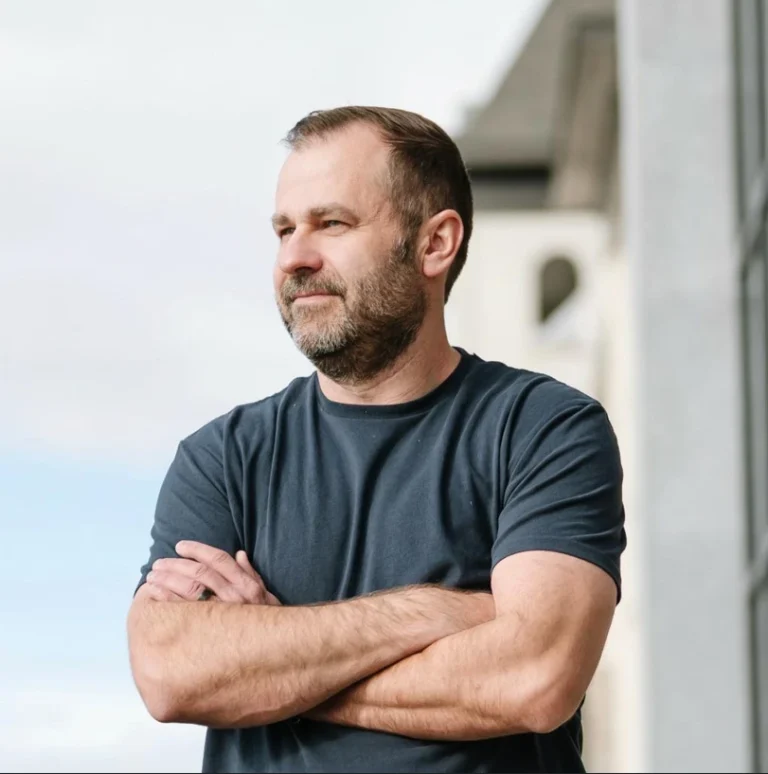
Troy Rydman
Chief Information Officer / Chief Information Security Officer of Packsize
Troy Rydman: Strengthening Innovation Through Secure and Scalable Technology
In today’s fast-moving digital world, technology leaders are expected to do more than maintain systems. They must build strong foundations that support growth, innovation, and trust. Troy Rydman, Chief Information Officer and Chief Information Security Officer at Packsize, represents this new generation of leaders who bridge technology, security, and business strategy.
With experience across both fast-growing startups and large global organizations, Troy has built a career focused on aligning technology decisions with business impact. Before joining Packsize, he served in key leadership roles, including CISO for Fast, Deputy CISO at Silicon Valley Bank, and leading security initiatives for strategic accounts at AWS. These experiences shaped his ability to lead through complexity while building systems that support scale and resilience.
At Packsize, Troy now focuses on modernizing the company’s technology foundation, strengthening global security, and enabling innovation across the organization. His leadership approach centers on people, trust, and continuous learning. In this conversation, he shares the lessons that shaped his journey, how he builds high-performing teams, and what excites him about the future of technology and intelligent automation.
Your career spans several major organizations. How did your journey begin, and what led you to your current leadership role?
I started my career on the technical front lines, where I gained a strong understanding of how technology, security, and business operations work together. Over time, my roles evolved from solving immediate problems to building systems and teams that could prevent those problems in the first place.
I worked in both startups and large organizations, including serving as CISO for Fast, Deputy CISO at Silicon Valley Bank, and leading security efforts for strategic accounts at AWS. Each role helped me expand my perspective on how to scale securely and lead through complex environments.
Those experiences eventually led me to Packsize, where I now serve as CIO and CISO. My focus here is on modernizing our technology foundation, strengthening global security, and supporting innovation across the company. Throughout my journey, the common thread has been continuous learning, building strong teams, and using technology to create real business impact.
What has motivated you to keep pushing forward in your career, and which values guide your leadership today?
What has always motivated me is the opportunity to grow and help others grow along the way. Working in high-pressure environments taught me that resilience, curiosity, and a willingness to keep learning are essential for long-term success.
I’m energized by solving meaningful problems and building systems that make organizations stronger and more secure. At the same time, I’m passionate about building teams where people feel supported and empowered.
The values that guide my leadership are trust, transparency, and empowerment. People do their best work when they feel connected to a shared purpose and know their contributions matter. I try to lead with a service mindset, focusing on what the organization and its people need to succeed.
Can you share a defining challenge in your career and how you navigated it?
One defining moment came during a major merger and acquisition when two organizations with very different cultures and systems needed to operate as one. The technical work was complex, involving infrastructure integration, identity systems, and risk frameworks.
But the bigger challenge was helping people navigate uncertainty. Teams that had never worked together had to align quickly while adapting to new processes and priorities.
I focused on creating clarity where it was missing. We built a shared roadmap, formed cross-functional teams, and communicated openly about what would change and why. By focusing on transparency and delivering quick wins, we were able to stabilize the environment and build momentum.
That experience reinforced a key belief for me. Successful transformation always begins with people.
Innovation often depends on strong collaboration. How do you create that environment within your teams?
For me, innovation starts with trust and clarity. When teams understand the goals and the reasons behind them, they are more likely to contribute creative ideas and solutions.
I also bring different departments together early in the process. When IT, security, product, and operations collaborate from the start, the solutions tend to be stronger and more practical.
Another important element is creating space for experimentation. Small pilots, fast feedback, and learning from both successes and setbacks allow teams to move forward confidently.
My role is to remove obstacles, provide direction, and ensure the team has the tools and support needed to move quickly while staying responsible.
From your perspective, what separates exceptional leaders from the rest?
The leaders who stand out combine clarity, humility, and discipline. They communicate with purpose and make sure their teams understand what truly matters.
They also stay grounded in facts while remaining adaptable. In fast-moving environments, the ability to adjust while keeping the team focused is critical.
Great leaders invest in people. They create opportunities for others to grow, make decisions, and take ownership of their work. Over time, this builds a culture of trust and accountability.
Most importantly, they never stop learning. They remain open to new ideas, challenge assumptions, and seek diverse perspectives before making decisions.
How have mentorship and learning shaped your leadership journey?
Mentorship has played a major role in my growth. I’ve had leaders who challenged me, encouraged me to think differently, and trusted me with responsibility even when the situation was complex.
Those experiences helped me develop confidence and broaden my perspective, especially during high-pressure moments.
I try to create that same environment for my teams. I encourage open dialogue, provide stretch opportunities, and support learning through experimentation rather than perfection.
I also believe peer mentorship is incredibly valuable. When teams share knowledge across departments, collaboration improves, and innovation accelerates.
For me, mentorship is not a formal program. It is part of the culture.
Markets and customer expectations evolve quickly. How do you keep your organization aligned and agile?
Alignment begins with the customer. We define success from the customer’s perspective and make sure our goals support those outcomes.
When teams understand how their work directly impacts customers, they can focus on the highest-value initiatives.
We also maintain strong feedback loops so insights from customers reach our planning process quickly. This allows teams to adapt and improve continuously.
Cross-functional collaboration is another key factor. When IT, security, product, and operations align around shared priorities, the organization can move faster and respond to change more effectively.
Looking back, what lesson has most influenced your leadership style?
One of the most important lessons I learned is that leadership is not about having every answer. It is about creating stability and clarity when teams face uncertainty.
During a major organizational transition earlier in my career, priorities were shifting, and pressure was high. In that moment, I realized the most important thing I could do was listen, communicate clearly, and help the team stay focused.
By setting clear priorities and giving people ownership, we were able to move forward with confidence. That experience shaped how I lead today.
What advice would you give emerging leaders who want to make a meaningful impact?
One of the biggest lessons I’ve learned is the value of vulnerability. Early in my career, I believed leaders needed to have all the answers.
Over time, I realized that real progress happens when leaders admit what they don’t know and bring in people who have the expertise needed to move forward.
Instead of trying to be the smartest person in the room, I focus on creating an environment where talented people can do their best work.
When leaders build trust, invite diverse perspectives, and empower others, teams become stronger and more innovative.
Looking ahead, what excites you most about the future of your organization and the industry?
What excites me most is how emerging technologies are accelerating innovation. At Packsize, we are combining automation, advanced analytics, artificial intelligence, and connected systems to create smarter and more sustainable packaging solutions.
These technologies allow us to deliver faster, more efficient operations while also supporting environmental goals.
As we continue modernizing our technology platform, we are building systems that not only power our machines but also help customers improve their entire operational ecosystem.
Across the industry, the shift toward intelligent automation and sustainable solutions is gaining momentum. Being part of that transformation is incredibly exciting.
Closing Thoughts
As industries continue to evolve through digital transformation, leaders like Troy Rydman are helping organizations navigate complexity with clarity and purpose. His career reflects a consistent focus on building strong technology foundations while empowering people to innovate and grow.
At Packsize, his work in modernizing systems, strengthening security, and enabling innovation demonstrates how technology leadership can drive both operational excellence and long-term impact. Through his emphasis on trust, collaboration, and continuous learning, Troy is helping shape a future where technology not only powers businesses but also creates smarter and more sustainable solutions for the world.