
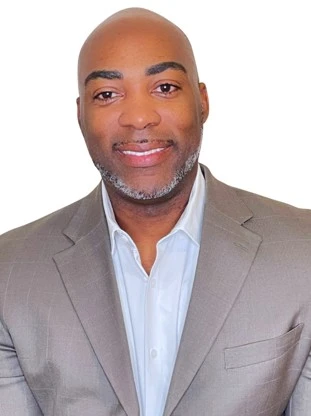
Dr. Che Jordan
COO Of Guided Paths
Che Jordan: Leading With Service and Compassion
In today’s healthcare landscape, where communities continue to face growing mental health and substance use challenges, leaders who combine strategy with compassion are becoming more important than ever. Che Jordan has built a career around that belief. With more than a decade of experience in healthcare leadership, he has focused on helping underserved rural and urban communities gain better access to care, support, and long-term recovery resources.
As Chief Operating Officer, Jordan has dedicated his work to strengthening partnerships, expanding community-based programs, and creating systems that support individuals and families dealing with mental health struggles, substance use, homelessness, and generational trauma. His leadership style is rooted in empathy, humility, and service. Rather than viewing healthcare as a business alone, he sees it as a responsibility to uplift people and improve lives.
In this conversation, Jordan shares the experiences that shaped his leadership journey, the lessons learned through crisis and change, and why servant leadership continues to guide every decision he makes.
Q1. Let’s begin with your journey. What first inspired you to pursue a career in healthcare leadership?
I have spent more than a decade working in healthcare, and throughout that time I saw many people struggling with mental health issues, substance use, homelessness, and unemployment, especially veterans and underserved families. Witnessing those challenges firsthand motivated me to move into leadership because I wanted to help create real solutions for the community.
Over time, that vision grew into becoming a healthcare executive leader focused on improving access to care. As COO, I believe partnerships and community collaboration are essential. No organization can solve these issues alone. It takes patience, understanding, and long-term commitment to help families dealing with generational trauma and behavioral health struggles.
The work is deeply personal to me because serving people is one of the greatest responsibilities anyone can have. I was told “Stay in the Struggle and Keep the Faith” by the late Dr. Gene Blue.
Q2. What continues to motivate you during difficult moments in the industry?
The values that keep me moving forward are empathy, thankfulness, and servitude. Every day, I see communities that still lack the resources they need. I also see organizations struggling because of financial cuts and pressure within the managed care system.
Even with those challenges, I stay focused on helping agencies connect people with the support they need. When you see someone stabilize their mental health, maintain sobriety, or reconnect with their family through therapy, it reminds you why the work matters.
Those stories inspire not only the individuals receiving care but also entire communities. Seeing people rebuild their lives gives hope to others who may still be struggling.
Q3. Was there a defining challenge that shaped your leadership approach?
One of the most difficult periods was the beginning of COVID-19. Many healthcare facilities were closing because of staffing shortages and financial hardship. Suddenly, communities were losing access to essential services at the exact moment they needed them most.
During that time, I focused heavily on adaptability and communication. We worked closely with organizations and care teams to coordinate services and ensure clients still had access to support.
One of the biggest accomplishments during that period was simply keeping the organization moving forward while continuing to see clients’ complete programs successfully. It reinforced the importance of resilience and teamwork during times of crisis.
Q4. How do you encourage innovation and collaboration within your organization?
Innovation starts with listening. We support staff by giving them resources, information, and the ability to communicate challenges in real time. That helps us identify barriers quickly and respond with practical solutions.
For example, we are seeing increasing needs related to food insecurity, housing instability, and basic family resources like diapers. When our teams notice those issues in the field, we provide information about available community support services and use that feedback to shape future planning.
We believe healthcare leadership requires an “all hands on deck” mindset. The more connected the team is to the realities of the community, the better prepared the organization becomes to meet changing needs.
Q5. In your view, what separates great leaders from average ones?
For me, it comes down to servant leadership. Great leaders stay humble, patient, and committed to serving others without losing sight of their values.
Strong leaders also understand the importance of forecasting future needs. They pay attention to market trends and recognize gaps in services before others do. That allows organizations to build solutions that truly help communities.
Titles and status should never lead someone toward self-interest. Leadership should raise the standard for humanitarian work and create a stronger sense of responsibility toward others. Spending time within the communities you serve is one of the best ways to stay grounded and connected to the real needs people face every day.
Q6. Healthcare continues to evolve rapidly. How do you keep your organization adaptable?
I constantly assess market trends, financial pressures, and service demands within healthcare. As funding becomes more limited and community needs continue to grow, collaboration becomes even more important.
I focus on identifying partners and organizations that can work together to provide wraparound services. That includes understanding what resources, staffing, and funding are needed to sustain programs long term.
Adaptability is not only about reacting to change. It is also about preparing for future challenges before they arrive.
Q7. Was there a personal experience or lesson that significantly shaped your leadership philosophy?
Christ’s example of humility had a major influence on my leadership style. His willingness to sacrifice for others taught me that life is bigger than self-interest.
In healthcare, people often walk through the door carrying pain, trauma, or personal struggles. Leaders and healthcare professionals must be prepared to set aside their own needs in order to support those individuals effectively.
That perspective reminds me every day that leadership is ultimately about service and compassion.
Q8. What advice would you give to emerging leaders who want to create meaningful impact?
I would encourage emerging leaders to focus on servant leadership first. Be patient, humble, understanding, and willing to listen.
Spend time in the communities you serve. Learn about the lives, environments, and experiences of the people behind the numbers and statistics. That understanding helps leaders make better decisions and create more meaningful change.
Growth also requires self-reflection. Understanding today allows you to become better tomorrow.
Q9. Looking ahead, what excites you most about the future of healthcare and behavioral health services?
What excites me most is the opportunity to identify services that are still missing in rural and urban communities and help support organizations that are working to fill those gaps.
Even though the industry continues to face funding challenges, I believe behavioral health will always remain essential to community care. Eventually, financial restructuring and reform will need to happen because the demand for services continues to grow.
In the meantime, we continue collecting data, analyzing trends, and assessing community needs so we can improve care quality and prepare for the future. I remain hopeful that healthcare systems will continue evolving in ways that allow organizations to build sustainable services while better supporting the communities they serve.
A Leadership Style Built on Humanity
For Che Jordan, leadership is not measured by titles or recognition. It is measured by the ability to create meaningful change in people’s lives. His work reflects a steady commitment to compassion, collaboration, and long-term community impact.
At a time when healthcare systems continue to face pressure from funding limitations, staffing shortages, and rising behavioral health needs, Jordan’s leadership stands out for its balance of strategy and humanity. He continues to advocate for stronger partnerships, sustainable services, and a healthcare environment where individuals and families feel supported rather than overlooked.
Through servant leadership and a deep understanding of community care, Jordan is helping shape a future where healthcare becomes more connected, accessible, and centered on people first.