
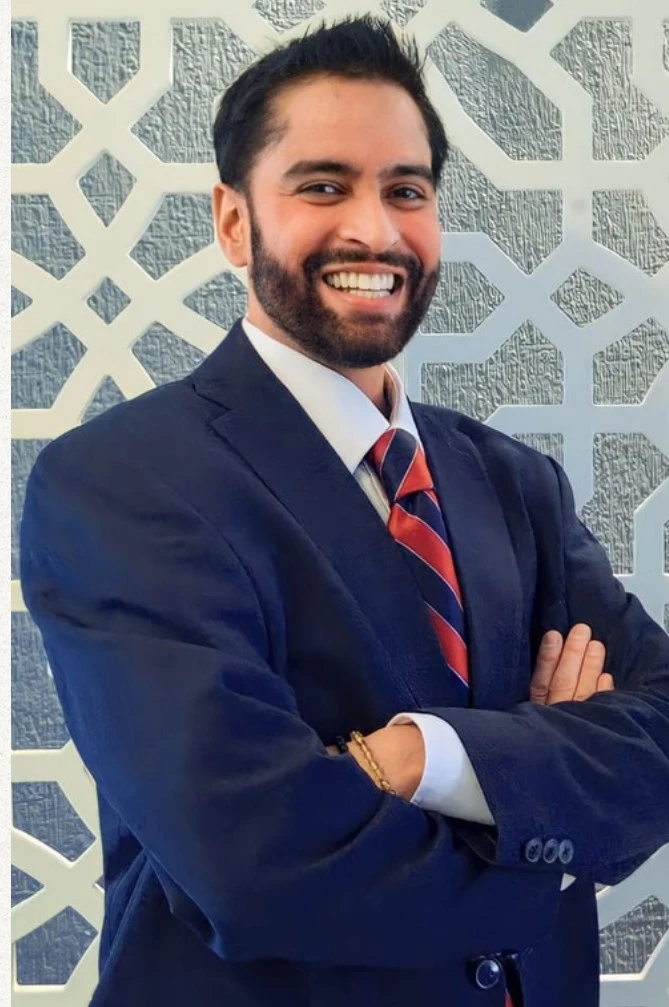
Dr. Ash Pachauri
Co-Founder and Senior Mentor at POP Movement
Ash Pachauri: Turning Awareness into Action for a Better Future
In a world where global challenges are widely discussed yet often remain unresolved, Ash Pachauri has chosen a different path, one rooted in action. As the Co-Founder and Senior Mentor of the POP Movement, he has dedicated his work to bridging the gap between awareness and meaningful participation. His journey reflects a quiet but powerful shift from questioning the status quo to creating platforms that empower individuals, especially young people, to take ownership of change. Through a leadership approach grounded in empathy, purpose, and shared responsibility, Ash continues to inspire a new way of thinking about impact.
Let’s start with your journey, can you tell us how you began and what led you to your current leadership role?
If I look back, my journey did not begin with a clear plan. It started with a sense of discomfort. I was surrounded by conversations about global challenges, especially climate change, and I kept asking myself a simple question: if we know so much, why are we doing so little? That question stayed with me and slowly changed how I thought. Over time, it became less about understanding the problem and more about creating ways for people to act. The POP Movement came out of that shift. My role as a leader was not something I chased. It came from stepping into that responsibility.
Along the way, what motivated you to keep pushing forward, and which values guide the way you lead today?
What has kept me going is not one big moment, but a series of small realizations. I have come to see that change is possible, but only when people feel connected to it. That belief continues to drive me. The values that guide me are purpose, empathy, and accountability. I see leadership as the ability to help others feel that they matter in the solution. When people believe they have a role to play, real change begins.
Every path has its challenges; can you share one defining moment in your career and how you overcame it?
One defining moment came early on. We were able to reach people and create interest. There was engagement and even excitement, but it was not leading to sustained action. That was a turning point for me. It made me rethink our entire approach. We shifted from asking people to care to giving them simple, clear ways to act, grounded in local knowledge and local leadership, to address local challenges. That change, from inspiration to participation, made a real difference and shaped the direction of our work.
Innovation and collaboration are key to success. How do you cultivate these within your team or organization?
Some of our most meaningful ideas have not come from formal settings. They have come from young people asking honest and simple questions. That has taught us to listen more and structure less. We try to create an environment where ideas can grow naturally. For us, collaboration is not just about working together. It is about shared ownership, where everyone feels responsible for the outcome.
From your perspective, what traits or habits distinguish top-performing leaders from the rest?
In my experience, the strongest leaders are not the ones who always have the answers. They are the ones who are comfortable with uncertainty and still move forward. They stay grounded, remain patient, and have a clear understanding of why they do what they do. That sense of purpose helps them stay steady, even in challenging situations.
Mentorship and learning can shape a leader profoundly. How have they influenced your growth, and how do you encourage them in your team?
I have been fortunate to learn from many remarkable individuals, but some of the most powerful lessons have come from young changemakers. They question everything and are not willing to accept things as they are. That mindset has influenced me deeply. I see mentorship as a continuous exchange rather than a one-way process. This belief shapes how we build our teams, where learning flows in all directions.
The market and customer needs are always evolving. How do you keep your organization aligned and agile in this changing environment?
The world may change quickly, but people’s needs are often quite simple. They want to feel heard, valued, and capable of making a difference. We stay aligned by staying close to people. We listen, we adapt, and we remain open to change. At the same time, we stay rooted in our purpose, which helps us move forward without losing direction.
Looking back, is there a particular experience or lesson that significantly shaped your leadership style?
One important lesson I have learned is that impact does not happen overnight. Early in my journey, I expected to see results quickly. Over time, I realized that meaningful change takes patience. That understanding changed how I lead. Today, I focus more on consistency than speed, knowing that lasting impact comes from steady effort.
What advice would you share with emerging leaders who want to make a meaningful impact in their industry?
My advice is simple: start small, but start. Do not wait for the perfect idea or the perfect moment. Action creates clarity. As you move forward, stay grounded. The way you build something matters just as much as what you build. Purpose will reveal itself along the way if you remain committed.
Finally, looking ahead, what excites you most about the future, both for your organization and the industry as a whole?
What excites me most is the shift I am beginning to see in people. There is a growing sense that we are not just observers of global challenges, but participants in solving them. More people are starting to feel that change is their responsibility. If we continue to nurture this mindset, it has the potential to reshape the future in a very meaningful way.
Ash Pachauri’s journey reflects a quiet yet powerful redefinition of leadership, one that moves beyond awareness and into action. Through the POP Movement, he has created a space where individuals feel empowered to contribute, no matter how small their steps may seem. His approach reminds us that real change does not come from grand gestures alone, but from consistent, collective effort. By helping people see their role in the larger picture, he is not only addressing today’s challenges but also shaping a more engaged and responsible generation for the future.