
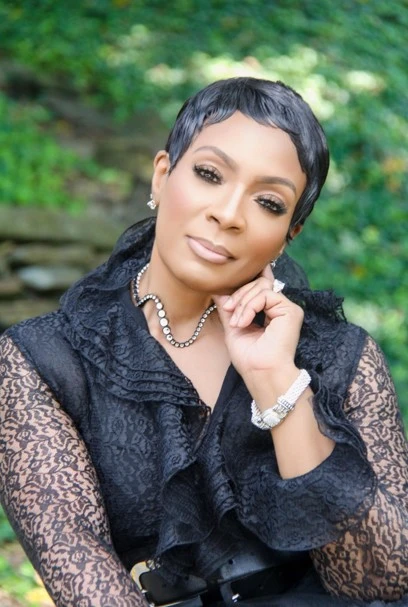
Dr Sharon McDaniel
Founder President and CEO at A Second Chance INC
Dr. Sharon McDaniel: Building Systems That Keep Families Together
In a sector often defined by rigid structures and long-standing gaps, Dr. Sharon McDaniel, Founder, President, and CEO of A Second Chance Inc., has emerged as a powerful voice for change. Her journey is not just one of professional achievement, but of deeply personal purpose shaped by early life experiences. Through her work, she has challenged traditional approaches within the child welfare system and built a model that places families at the center of care. Today, her organization stands as a strong example of what compassionate, thoughtful, and community-driven leadership can achieve, having supported tens of thousands of children, parents, and caregivers across the country.
What sets Dr. McDaniel apart is her ability to turn lived experience into lasting impact. By rethinking how systems engage with families, she has created a path that prioritizes dignity, connection, and long-term stability. In this conversation, she reflects on her journey, the values that guide her, and her vision for the future of kinship care and child welfare.
Let’s start with your journey. How did it all begin, and what led you to where you are today?
My journey began with personal loss and the importance of family. I lost my mother at a very young age, and my father, doing his best to care for us, turned to our extended family for support. At that time, the system did not fully recognize or support kinship care, and I saw firsthand how difficult it was for families to navigate that space.
That experience stayed with me. Later, as a caseworker, I saw the same gaps and biases within the system. It became clear that families were often overlooked, even when they were willing and able to care for children. I felt a strong responsibility to create something different. That is what led me to establish A Second Chance Inc., with a focus on supporting families rather than separating them.
What has kept you motivated along the way, and what values guide your leadership today?
What keeps me going is simple. It is the families we serve. Every day, I am reminded that our work supports children and caregivers through some of the most difficult moments in their lives. Having lived through similar experiences, I carry that understanding into every decision I make.
My leadership is guided by empathy, purpose, and a deep sense of responsibility. I want every child to feel that someone is standing up for them, and every caregiver to feel supported and valued. It is not just about helping people get through challenges, but about helping them build stable and meaningful lives.
Every journey comes with challenges. Can you share a defining moment in your career?
One of the most defining moments came when I first launched A Second Chance Inc. The idea was new, and many people did not fully understand what I was trying to build. There was no model to follow, which made it challenging to gain support in the beginning.
At the same time, the need was immediate and overwhelming. Within just two months, we reached the caseload we had planned for an entire year. That moment forced me to quickly build strong systems and stay focused under pressure. It also strengthened my belief that this work had a larger purpose, and that I needed to stay grounded in that as we grew.
Innovation and collaboration are essential today. How do you bring these into your organization?
Innovation is a key part of how we serve families effectively. We have improved our caregiver support systems and invested in technology that allows our teams to communicate more efficiently. Our Kinship Navigator model helps connect children with relatives faster, which supports stability and better outcomes.
At the same time, we focus on building a strong workforce. When our teams feel supported and prepared, they can better support the families we serve. Collaboration is also important. We work closely with partners across sectors to ensure that families receive the resources they need.
What traits do you believe set top-performing leaders apart?
Great leaders are clear about their purpose. They help their teams understand not just what they are doing, but why it matters. Emotional intelligence is also very important. Being able to listen, understand, and respond with empathy makes a real difference in how teams perform and grow.
Strong leaders also invest in people. They build teams that feel safe, respected, and encouraged to share ideas. Leadership is not about position. It is about the daily actions that build trust and help others succeed.
How have mentorship and continuous learning shaped your growth?
Learning has always been important to me. I believe that leaders should stay curious and open to new ideas. I spend time reading, researching, and listening, and I encourage my team to do the same.
Mentorship also plays a key role. When people are supported and guided, they are able to grow beyond what they thought possible. Creating a culture of learning helps both individuals and the organization move forward.
How do you keep your organization aligned and adaptable in a changing environment?
We stay focused on the needs of the families we serve. As those needs change, we adapt our approach. This includes improving our systems, strengthening communication, and making sure our teams are equipped with the right tools and training.
Our goal is to provide care that is both compassionate and effective. By staying flexible and open to change, we are able to respond to challenges while maintaining our core mission.
Looking back, what has shaped your leadership style the most?
Founding the organization early in my career had a big impact on how I lead today. While my core values have remained the same, my understanding of my purpose has become much clearer over time.
As the organization grew, I had to grow with it. That meant strengthening my decision-making, improving my ability to manage complexity, and staying focused on both people and outcomes. Each experience has helped refine how I lead.
What advice would you give to emerging leaders who want to make an impact?
First, trust your voice. You have something valuable to contribute. Second, lead with compassion and stay connected to the people you are serving.
It is also important to listen and learn from others. Real change happens when people come together and work toward a shared goal. Stay confident, but always remain open to growth.
What excites you most about the future of your organization and the industry?
What excites me most is the shift we are seeing in how people think about kinship care. Through our work, we have helped bring attention to the importance of placing children with family whenever possible. This is now being reflected in policies and practices across the country.
There is still work to be done, but the progress is encouraging. As more leaders focus on building systems that support families, we will see better outcomes for children and stronger communities overall.
Closing Reflections
Dr. Sharon McDaniel’s leadership reflects a rare combination of personal conviction and practical impact. By challenging traditional systems and building one rooted in compassion and accountability, she has helped reshape how child welfare can and should function. Her work continues to influence policy, practice, and the broader conversation around family-centered care.
At its core, her journey is a reminder that meaningful change often begins with lived experience and the courage to act on it. Through A Second Chance Inc., she has not only created opportunities for families to stay connected but also set a new standard for what responsive and humane systems can look like.