
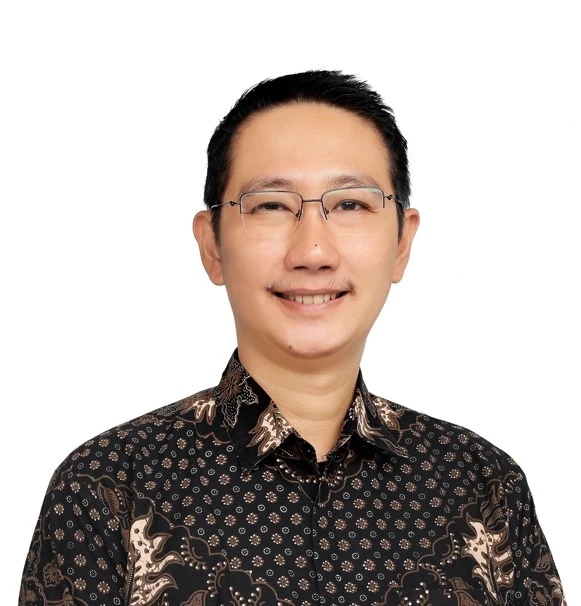
Juan Kanggrawan
Regional Digital & AI at UNDP
Juan Intan Kanggrawan: Driving AI and Digital Transformation for Public Good
In a world where technology is reshaping societies at an unprecedented pace, leaders who can bridge innovation with real-world impact stand apart. Juan Intan Kanggrawan has built a career at this intersection, combining deep technical expertise with a strong commitment to public value. As Regional Digital and AI Expert at United Nations Development Programme, he plays a key role in advancing digital transformation across the Asia Pacific region. His journey reflects a rare blend of research, policy, and execution, shaped by years of experience across government, technology firms, and international organizations. With a focus on building sustainable digital ecosystems, he continues to influence how nations adopt and scale AI for the greater good.
Q&A
Let’s start with your journey. How did it all begin, and what led you to your current leadership role?
From an early stage, there was a strong interest in technology, innovation, philosophy, and public policy. Reading newspapers and global affairs during school years sparked a deeper curiosity about how these areas shape everyday life. That curiosity guided academic choices, from studying information technology and business management to pursuing advanced studies in public policy and strategic urban systems.
This foundation opened doors to roles across government, startups, and large technology organizations. Over time, the focus became clear: to use research and technology as tools to create meaningful impact across cities, nations, and regions. Early work in data analytics and digital products within government systems helped build that path, eventually leading to leadership roles in national and international initiatives.
What motivated the continued drive to push forward, and which values guide leadership today?
The core motivation has always been the aspiration to create positive impact across ecosystems, whether at the city, national, or regional level. This purpose keeps the learning process ongoing, across fields like technology, public policy, and international relations.
That mindset also encourages openness to new opportunities and collaborations. It has led to experiences across global tech companies, government units, and international organizations. At the heart of it, leadership is guided by curiosity, responsibility, and a commitment to meaningful contribution.
Every career has defining challenges. Can one such moment be shared, and how it was handled?
Several challenges stand out across structural, cultural, and technological areas. Structurally, innovation often requires strong governance support. The approach has been to begin with existing capabilities, demonstrate real impact, and then gradually scale influence.
Culturally, working within complex systems can limit openness. In such cases, identifying change agents and starting small pilot initiatives has proven effective.
From a technology perspective, integrating new tools into legacy systems can be difficult. The focus has always been on outcomes first. Once value is demonstrated, alignment on technical details becomes much easier.
Innovation and collaboration are essential today. How are they cultivated within teams?
The approach begins with small, practical steps. Teams are encouraged to adopt agile ways of working, explore new tools, and share knowledge internally. These early efforts help build confidence and momentum.
Once progress becomes visible, the next step is scaling. Collaboration expands to include partners and other departments, especially those open to change. Over time, this creates a network of aligned teams working toward shared innovation goals.
What traits distinguish top-performing leaders from others?
Three qualities stand out. First is humility. Being open to ideas, feedback, and even corrections from team members is essential.
Second is the habit of continuous learning. Knowledge can come from anywhere, whether from colleagues, partners, or even competitors. Reading and reflection play an important role here.
Third is a strong focus on problem solving. The mindset is simple: avoid excuses and focus on getting things done.
How have mentorship and learning influenced personal growth, and how are they encouraged within teams?
Mentorship has played a significant role in shaping leadership. Honest and open discussions with experienced individuals provide insights that cannot always be found in books or formal learning. Observing how others approach complex problems is especially valuable.
Within teams, creating an environment that supports open dialogue is key. Encouraging iterative discussions and knowledge sharing helps build stronger capabilities across the organization.
Markets and needs evolve constantly. How is alignment and agility maintained in such an environment?
The starting point is honesty. It is important to understand current capabilities and limitations clearly. Based on that, timely adjustments can be made.
Flexibility is critical. Holding on to outdated perspectives can slow progress. Instead, staying responsive and open to change ensures that the organization remains aligned with evolving needs.
Looking back, was there a moment that shaped leadership style in a lasting way?
The COVID-19 pandemic was a defining period. It required rapid decision making, accountability, and the ability to deliver solutions under pressure.
That experience reinforced the importance of responsibility and speed in leadership. It also highlighted the need to develop solutions that are both timely and relevant to the context
What advice would be shared with emerging leaders aiming to make a meaningful impact?
The first step is self-awareness. Understanding personal strengths, weaknesses, habits, and blind spots is essential.
Equally important is having a long-term mindset. Identifying one or two areas of genuine interest and committing to them over decades can create deeper impact. Consistency and discipline become critical, especially when facing challenges and transitions.
For those passionate about building cities and nations, the journey can be both demanding and deeply rewarding.
Looking ahead, what is most exciting about the future for both the organization and the industry?
The most exciting area is the potential for impactful AI implementation across the Asia Pacific region. There is growing momentum in using AI to solve real problems in public services and governance.
With the right foundations in data, ethics, and talent, these innovations can bring meaningful benefits to societies at scale.
Closing Perspective
Juan Intan Kanggrawan’s journey reflects a clear and consistent purpose: to harness technology in service of society. His work across digital transformation, AI strategy, and public policy demonstrates how innovation can move beyond theory into tangible outcomes. At United Nations Development Programme, his efforts continue to shape how governments and institutions approach the future of technology.
What sets his leadership apart is not only technical expertise, but also a grounded understanding of people, systems, and long-term impact. As nations navigate the complexities of digital change, leaders like him offer a steady and thoughtful path forward, where innovation is not just advanced, but also inclusive and meaningful.